
How Laundromat Owners Can Reduce Downtime with Reliable Supply Partners
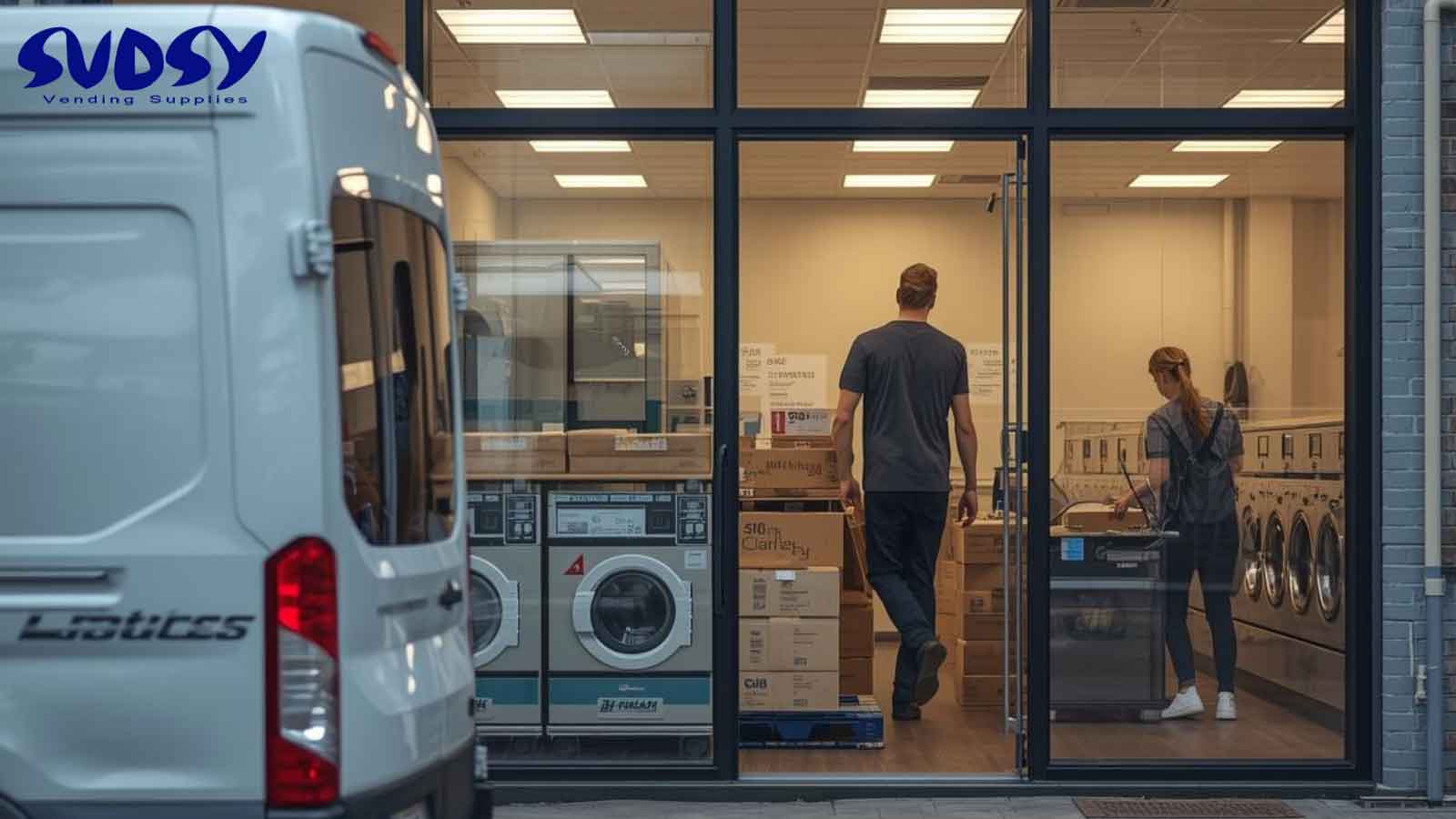
Every hour your machines sit idle, you lose revenue. A broken hose waiting on backorder, a missing lint screen, or a worn belt you can’t source locally can stretch a simple repair into a week-long outage. Equipment fails eventually. What turns a minor fix into lost revenue is not having the replacement part ready.
A dependable vending machine supplier with ready inventory, fast shipping, and industry expertise keeps repairs fast and machines running. The best suppliers stock more than just vending products. They carry the parts, chemicals, and accessories that keep your entire operation moving.
Why Supply Shortages Cause Costly Laundromat Downtime
Most laundromat owners prepare for mechanical breakdowns. Fewer anticipate the revenue drain caused by running out of basic supplies. Yet supply shortages rank among the top causes of operational interruptions, often creating problems that spiral far beyond the initial shortage.
Empty Vending Machines Stop Sales Instantly
Your vending machines generate consistent passive income, but only when they’re stocked. The moment a detergent or softener slot runs empty, that revenue stream stops.
Customers who can’t purchase soap at your location face a frustrating choice. They can leave to buy supplies elsewhere and return, or they can take their laundry to a competitor who has what they need. Many choose the second option, and some never come back.
A single weekend without coin-vend detergents can cost you hundreds in direct sales. The indirect cost is harder to measure but equally real. You lose customer loyalty and generate negative word of mouth that affects future visits.
Missing Maintenance Parts Extend Equipment Failures
Dryer lint screens, hoses, coin boxes, belts, and bearings wear out on predictable schedules. You likely know which components fail most often on your specific machine brands. The challenge isn’t predicting what will break. It’s having the replacement parts available when it does.
Standard shipping on most orders takes five to seven business days. If your vendor doesn’t stock the part you need, add another week for them to source it from the manufacturer. A repair that should take an afternoon stretches into ten days or more.
Consider the math on a single commercial washer generating between $50 and $150 daily. Ten days of downtime can cost $500 to $1,500 in lost revenue per machine. Multiply that across several units waiting for parts, and supply chain delays become a serious financial drain.
What to Look for in a Laundromat Supply Partner
Not every vendor is equipped to support your uptime goals. The difference between a basic supplier and a true partnership that can help you maximize profit comes down to three factors: product availability, shipping speed, and industry knowledge.
Deep Inventory Across Major Brands
Your laundromat likely runs equipment from multiple manufacturers. Speed Queen washers might sit alongside Huebsch dryers and Dexter stack units. Each brand requires specific parts, and finding a single source for all of them simplifies your operations considerably.
Look for suppliers who stock factory-certified parts across the brands you use. Generic components might cost less upfront, but they often fail faster and can void manufacturer warranties. Certified parts fit correctly, perform reliably, and protect your equipment investment.
Broad inventory matters beyond just parts. The best supply partners offer:
- Vending machine components and complete units
- Janitorial supplies for facility maintenance
- Laundry carts and customer amenities
- Cleaning chemicals and consumables
- Signage and operational accessories
Consolidating these purchases with one vendor reduces complexity and creates opportunities for combined shipping and volume pricing.
Fast Shipping Options for Urgent Needs
Next-day delivery separates suppliers who understand laundromat operations from those who simply sell products. Emergencies don’t wait for standard delivery windows, and neither should your supply chain.
A vendor with expedited options gives you flexibility based on urgency:
- Next-day air for critical failures that need immediate resolution
- Second-day shipping for important but less urgent needs
- Ground shipping for routine restocking
- Pallet-load shipping for bulk ordering at high-volume locations
The ability to choose your speed matters. Not every order justifies overnight freight costs, but having that option available when you need it prevents extended outages that cost far more than expedited shipping fees.
Around-the-clock online ordering compounds this advantage. Problems don’t occur only during business hours. A burst hose at 8 PM on Friday shouldn’t mean waiting until Monday morning to place an order. Suppliers with 24/7 ordering systems let you respond immediately, getting parts in transit while competitors are still waiting for a callback.
Read More: Next-Day Vending Supply Delivery: How It Works
Industry Experience That Anticipates Your Needs
Product availability and fast shipping solve immediate problems. Industry experience prevents them from happening in the first place.
Veteran-staffed suppliers understand which parts fail most often on specific machine models. They know that certain lint-screen designs wear out faster in high-humidity environments. They recognize which hose fittings develop leaks after two years of continuous use. This knowledge translates into proactive recommendations that keep you ahead of failures.
A knowledgeable supplier can review your equipment list and suggest minimum stock levels for critical components. They can identify seasonal patterns in your vending sales and recommend order timing that prevents shortages during peak periods. This guidance transforms you from reactive maintenance mode into proactive operations, dramatically reducing downtime and the stress that comes with it.
Inventory Practices That Prevent Stockouts
Your supplier handles product availability on their end. Your responsibility is managing what you keep in-house. Even the best vendor can’t help if you don’t order until you’ve already run out.
Setting Par Levels and Reorder Points
Par levels represent the minimum quantity you want to maintain for each item. When stock drops below this threshold, it triggers a reorder. Setting appropriate par levels requires understanding your consumption patterns and your supplier’s delivery timeline.
Start by tracking usage for high-turnover items:
- Coin-vend detergent boxes and single-use packets
- Fabric softener sheets and liquid portions
- Trash bags in the sizes your facility uses
- Cleaning chemicals for daily maintenance
- Paper products for restrooms and folding areas
Monitor how quickly you go through each item over a typical two-week period. Then factor in your supplier’s shipping time. If detergent packets last 2 weeks and shipping takes 5 days, your par level needs to trigger an order with at least a week’s supply remaining.
Build in a buffer for unexpected spikes. Holiday weekends, local events, and seasonal changes can significantly increase traffic. A par level that works during normal weeks might leave you short during busy periods.
FIFO Rotation for Consumables
First-in, first-out rotation prevents waste and ensures product quality. When new supplies arrive, place them behind existing inventory rather than in front of it. The items that have been on your shelf longest stay accessible for immediate use.
FIFO rotation matters most for products with shelf life considerations:
- Liquid detergents can separate or thicken over time
- Cleaning chemicals may lose effectiveness
- Scented products can fade in storage
- Paper products can absorb moisture in humid environments
Conduct weekly or bi-weekly audits by walking through your supply storage and checking quantities against your tracking system. This habit identifies discrepancies early, whether due to theft, miscounting, or data entry errors. Audits also reveal patterns you might otherwise miss. If a particular item consistently runs low faster than expected, you may need to adjust your par level or investigate the cause.
Read More: Best Practices for Organizing Your Laundromat Supply Room
Building a Long-Term Supplier Relationship
A transactional approach gets you supplies. A genuine partnership protects your uptime over the long run. The difference becomes most apparent when things go wrong.
Combined Shipments and Cost Savings
Ordering multiple product categories from a single supplier creates immediate cost savings. Shipping rates depend partly on package size and weight, which means combining items into fewer shipments reduces per-item freight costs.
Consider the math on separate orders. Three packages from three different vendors might cost $15 each in shipping, totaling $45. One consolidated order with the same products might ship for $25 total. Over a year of monthly orders, that difference adds up to $240 in savings on shipping alone.
Combined shipments also reduce receiving complexity. You handle one delivery to check in, one invoice to process, and one vendor relationship to manage. This administrative simplification frees up your time for revenue-generating activities rather than paperwork.
Established accounts often qualify for additional benefits:
- Volume discounts based on annual purchase totals
- Extended payment terms for cash flow flexibility
- Consolidated invoicing with itemized detail
- Dedicated account contacts for personalized service
- Early access to new products and promotions
These advantages compound over time. The longer your relationship with a supplier, the more value they can offer.
Priority Support During Supply Chain Disruptions
Industry-wide shortages happen periodically. Manufacturing delays, raw material constraints, and logistics problems can affect product availability across the market. When everyone is scrambling for the same limited inventory, long-term relationships matter.
Suppliers naturally prioritize their most valuable accounts when allocation becomes necessary. A customer who has ordered consistently for years receives different treatment than someone placing their first order during a shortage. Priority fulfillment during tight markets can mean the difference between maintaining operations and shutting down.
Dedicated account contacts provide another advantage during disruptions. Instead of navigating a general customer service queue, you reach someone who knows your business and understands your needs. They can expedite orders, suggest alternatives, and provide real-time stock updates that help you plan around constraints.
The time to establish these relationships is before a crisis, not during one.
Protect Your Revenue with the Right Partner
You can reduce laundromat downtime by addressing supply chain vulnerabilities before they become operational emergencies. The cost of prevention is always lower than the cost of lost revenue.
Every component of effective supply management connects back to your bottom line:
- Par levels that trigger timely reorders prevent stockouts
- Fast shipping options minimize the duration of unavoidable outages
- Industry expertise helps you anticipate problems and stock proactively
- Long-term supplier relationships provide priority support when market conditions tighten
The laundromat owners who maintain the highest uptime percentages share common habits. They partner with industry-specialized vendors rather than general distributors. They maintain organized supply rooms with clear inventory systems. They order before running out, not after. They build relationships that provide leverage during difficult situations.
Downtime doesn’t have to be inevitable. With a supply partner who stocks what you need, ships when you need it, and understands your business, you can keep machines running and customers coming back.
Explore Sudsy’s full inventory of coin laundry supplies, vending machines, laundry carts, and janitorial supplies. Our team brings decades of experience supporting laundromat operations nationwide, with next-day shipping available for urgent needs. Browse our products on our online shop or contact us for personalized recommendations based on your equipment and location.









Leave a Reply
You must be logged in to post a comment.